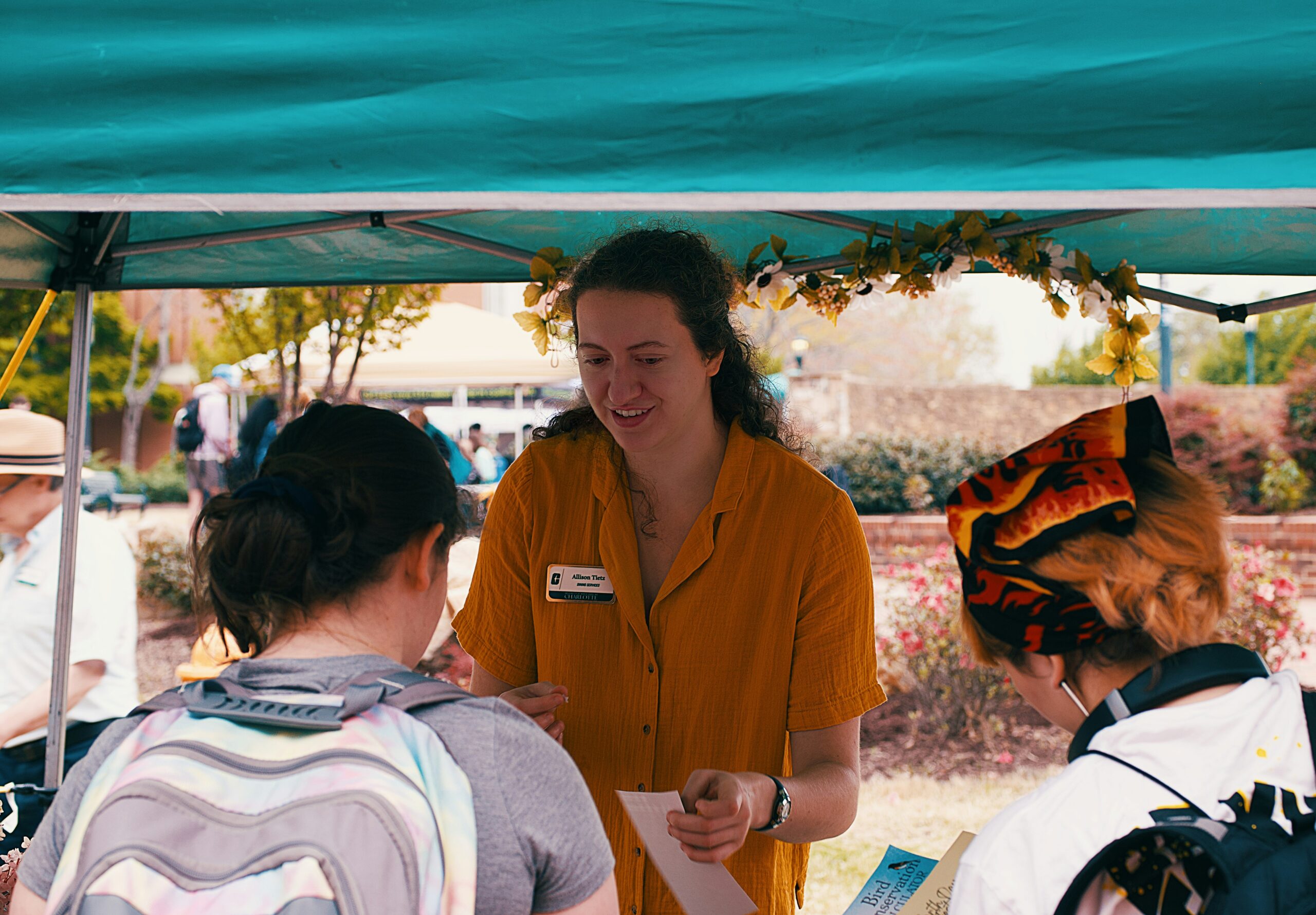
Volunteer opportunities in education are essential for building stronger, more inclusive communities while also encouraging personal growth. When individuals step into educational environments as volunteers, they not only support students academically but also develop valuable life skills such as communication, empathy, and leadership. This combination of service and self-improvement makes education volunteering a meaningful and transformative experience. In many schools, especially those with limited resources, volunteers provide additional attention and encouragement that teachers alone may not always be able to offer.
Beyond academic support, volunteering fosters a sense of shared responsibility within communities. It inspires individuals to take an active role in shaping the educational experiences of young learners. As volunteers interact with students, they help create a positive and supportive learning atmosphere that promotes curiosity and confidence. Consequently, these efforts contribute to better academic outcomes and a more equitable education system for all.
Types of Volunteer Roles in Education
To begin with, there are numerous volunteer roles available in education that cater to different skills and interests. One of the most common roles is serving as a classroom assistant. In this position, volunteers help teachers manage classroom activities, organize materials, and provide individualized support to students. This assistance allows teachers to focus more on delivering effective lessons while ensuring that every student receives attention.
In addition, tutoring is another highly impactful way to contribute. Volunteers can work one-on-one or with small groups of students to improve their understanding of subjects such as math, science, and reading. Moreover, tutoring provides personalized learning experiences, which often lead to improved academic performance and increased confidence among students.
Furthermore, volunteers can engage in activities beyond the classroom. Opportunities such as after-school programs, mentoring initiatives, and educational clubs allow volunteers to connect with students in more interactive and creative ways. These roles encourage teamwork, critical thinking, and personal development, making learning both enjoyable and meaningful for students.
Benefits of Volunteering for Students and Communities
On one hand, students benefit significantly from the presence of volunteers. With additional guidance and support, they often develop stronger academic skills and improved study habits. Volunteers can introduce new perspectives and teaching methods, making lessons more engaging and accessible. As a result, students become more motivated to learn and participate actively in their education.
On the other hand, communities also experience lasting benefits. Schools with active volunteer involvement tend to have stronger support networks and improved educational outcomes. Additionally, volunteering helps build stronger connections between schools and community members, fostering a sense of unity and shared purpose.
Moreover, volunteer efforts contribute to reducing educational inequalities. By supporting underserved students and schools, volunteers help create equal learning opportunities for everyone. Over time, this leads to a more inclusive education system that empowers all learners to achieve their full potential.
Personal Growth Through Educational Volunteering
Equally important, volunteering in education offers significant personal development opportunities. Volunteers gain practical experience in communication, problem-solving, and leadership, all of which are valuable in both personal and professional contexts. These skills not only enhance daily interactions but also contribute to long-term career success.
In addition, volunteering can open doors to new career paths. Individuals interested in teaching, counseling, or community service gain hands-on experience that strengthens their professional profiles. Even for those in unrelated fields, volunteering demonstrates dedication, adaptability, and a willingness to contribute to society—qualities that employers highly value.
At the same time, the emotional rewards of volunteering are deeply fulfilling. Seeing a student succeed or overcome challenges can bring a strong sense of accomplishment. This emotional connection encourages volunteers to continue their efforts and strengthens their commitment to making a difference.
How to Get Started as an Education Volunteer
To get started, individuals should explore opportunities within local schools, nonprofit organizations, and community programs. Many institutions offer structured volunteer programs that include training sessions to help participants understand their roles and responsibilities. This preparation ensures that volunteers feel confident and ready to contribute effectively.
Additionally, selecting a role that aligns with personal interests and strengths is essential. For instance, individuals who enjoy working with younger children may prefer classroom assistance, while those with subject expertise may find tutoring more suitable. Choosing the right role increases both effectiveness and satisfaction.
Furthermore, maintaining consistency is key to making a meaningful impact. Regular involvement helps build trust with students and educators, creating stronger relationships over time. Even a small time commitment each week can lead to significant improvements in students’ learning experiences when volunteers remain dedicated.
Overcoming Challenges in Education Volunteering
However, volunteering in education can present certain challenges. Volunteers may encounter diverse learning needs, cultural differences, or limited resources that require patience and adaptability. At times, these challenges may seem overwhelming, particularly for those new to volunteering.
Nevertheless, these obstacles can be transformed into valuable learning experiences. By seeking guidance from teachers and participating in training programs, volunteers can develop effective strategies to address various situations. Additionally, maintaining a flexible and positive mindset allows volunteers to adapt to changing circumstances.
Moreover, overcoming challenges helps build resilience and confidence. Each experience provides an opportunity to grow and improve, ultimately making volunteers more effective in their roles. With persistence and dedication, these challenges become stepping stones toward greater impact.
Building a Sustainable Volunteer Impact
Finally, creating a lasting impact requires collaboration and long-term commitment. Volunteers should work closely with educators and program coordinators to ensure their efforts align with educational goals. This partnership helps create structured programs that effectively support students’ needs.
In addition, encouraging others to participate in volunteer initiatives can significantly expand their reach. When more individuals contribute their time and skills, the overall impact becomes greater and more sustainable. Communities that actively support education volunteering often see long-term improvements in student success and engagement.
Furthermore, reflecting on experiences and continuously seeking improvement can enhance the effectiveness of volunteer efforts. By learning from each interaction and adapting approaches, volunteers can provide even greater support over time.
Volunteer opportunities in education offer a meaningful way to support students, strengthen communities, and foster personal growth. Through dedication, compassion, and collaboration, volunteers play a crucial role in shaping brighter futures. In the middle of this collective effort lies a strong commitment to empowering the future generation with knowledge, confidence, and opportunity. By taking initiative and staying engaged, individuals can help create an education system that benefits everyone and builds a better world for years to come.