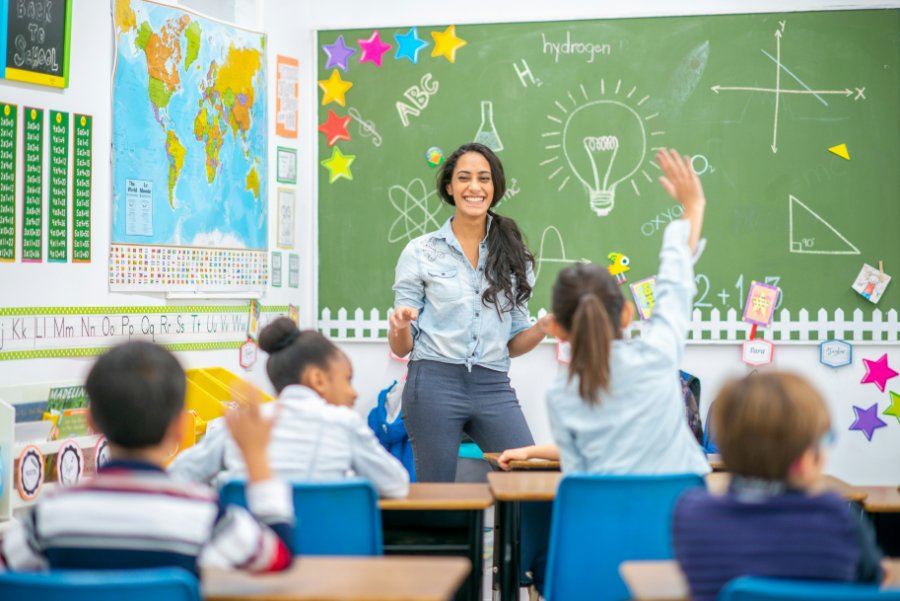
Education becomes more meaningful when schools work closely with their local communities. Classrooms are not isolated spaces. They are part of neighborhoods filled with families, businesses, organizations, and individuals who can contribute valuable knowledge and support. Local engagement helps students connect classroom lessons with real-life experiences. It also creates opportunities for teachers to build stronger learning environments that encourage curiosity, creativity, and academic development.
When schools encourage community involvement, students gain access to different perspectives and practical learning opportunities. Parents, local professionals, and community leaders can share their experiences and skills. These connections help students develop confidence, communication skills, and a stronger sense of responsibility. By building meaningful partnerships, schools can support classroom growth and create lasting educational benefits for students, teachers, and families.
Connecting Schools With Local Communities
Strong relationships between schools and local communities create a supportive learning environment. Teachers can connect with nearby organizations, libraries, cultural centers, and businesses to introduce students to new experiences. These partnerships help bring classroom subjects to life. For example, local professionals can explain how they use mathematics, science, communication, and problem-solving in their daily work. Such experiences make lessons more interesting and help students understand the value of education beyond traditional classroom activities.
Community engagement also allows schools to recognize the unique needs and interests of their neighborhoods. Teachers can organize discussions with parents and community members to understand local challenges and opportunities. This communication helps educators develop relevant learning activities that reflect students’ backgrounds and experiences. When schools listen to their communities, they can create more inclusive classrooms where students feel respected, supported, and encouraged to participate. This connection also builds trust between educational institutions and the people they serve.
Encouraging Family Participation in Education
Families play an important role in classroom development. When parents take an active interest in school activities, students often feel more motivated to learn. Schools can encourage family participation through classroom visits, reading sessions, cultural celebrations, and educational workshops. These activities give parents opportunities to understand classroom goals and contribute their knowledge. They also help create stronger relationships between teachers, students, and families. Children benefit when they see the important people in their lives working together to support their education.
Regular communication makes family involvement more effective. Teachers can share classroom updates, discuss student progress, and invite parents to suggest ideas for improving learning experiences. Schools should also consider different family schedules, languages, and communication needs when planning activities. Flexible opportunities allow more parents to participate, including those with demanding work responsibilities. A welcoming approach helps families feel valued and encourages them to become long-term partners in their children’s education. Consistent communication can also help teachers identify concerns early and provide appropriate support.
Bringing Real-World Learning Into Classrooms
Local engagement gives students opportunities to explore subjects beyond textbooks. Schools can invite community members to discuss their professions, hobbies, and personal experiences. A local artist can introduce creative techniques, while a healthcare professional can explain basic health practices. Business owners can share lessons about teamwork and entrepreneurship. These conversations help students understand how classroom knowledge connects with everyday life and future career opportunities. They can also inspire learners to explore interests they may not have considered before.
Schools can also arrange community projects that encourage students to apply their learning. Activities such as neighborhood cleanups, local history research, gardening, and environmental awareness campaigns teach practical skills. Students learn to work together, manage responsibilities, and find solutions to real problems. These experiences strengthen critical thinking and encourage active participation. They also show students how education can make a positive difference in their surroundings. By participating in meaningful projects, children develop leadership abilities and understand the importance of contributing to their communities.
Supporting Teachers Through Community Partnerships
Local partnerships can provide valuable support for teachers who want to improve classroom experiences. Community organizations may offer educational materials, guest speakers, mentoring opportunities, or access to learning spaces. These resources can help educators introduce fresh ideas without depending entirely on traditional teaching methods. Working with local professionals also allows teachers to discover new ways to explain difficult subjects and encourage student participation. Additional resources can make classroom activities more engaging while helping schools address specific learning needs.
Collaboration can support professional development as well. Teachers can exchange ideas with community educators, nonprofit organizations, and experienced professionals. These conversations may introduce useful teaching strategies, classroom management techniques, and creative learning activities. Strong partnerships can also help schools identify resource gaps and explore practical solutions. When teachers receive consistent community support, they can focus more effectively on student engagement, academic progress, and classroom improvement. Shared knowledge also encourages educators to reflect on their teaching practices and discover opportunities for continuous development.
Creating Inclusive and Lasting Learning Opportunities
Successful community engagement should include people from different backgrounds, experiences, and age groups. Every community has individuals who can contribute something valuable to education. Schools should create opportunities for local voices to participate in classroom discussions and school events. Including different perspectives helps students develop cultural awareness, empathy, and respect for others. It also creates a classroom atmosphere where everyone has an opportunity to feel represented. Inclusive activities help students recognize the value of different experiences and learn to cooperate with people who have different viewpoints.
Long-term relationships require regular communication, shared goals, and consistent participation. Schools should evaluate community activities to understand which programs benefit students most. Teachers and local partners can use feedback to improve future projects and make better use of available resources. Even small activities can create meaningful results when schools maintain them over time. Consistent engagement builds trust and encourages more people to contribute to educational growth. Schools can also recognize volunteers and community partners to show appreciation and motivate continued involvement.
Strengthening Education Through Shared Responsibility
Supporting classroom growth requires cooperation between educators, families, and local communities. Each group brings different skills, knowledge, and resources that can improve the learning experience. When schools welcome these contributions, students gain more opportunities to explore ideas, develop practical abilities, and build meaningful relationships. Community engagement also helps make education more connected to the world students experience every day. This shared effort creates a stronger foundation for academic achievement and personal development.
By investing in local partnerships, schools can create stronger educational foundations for future generations. Family participation, professional guidance, and community projects all contribute to student development. These efforts encourage confidence, collaboration, and lifelong learning. When communities and schools share responsibility for education, classrooms become more supportive spaces where students can grow academically, socially, and personally. Strong local connections can turn everyday learning into a collaborative experience that benefits the entire community.