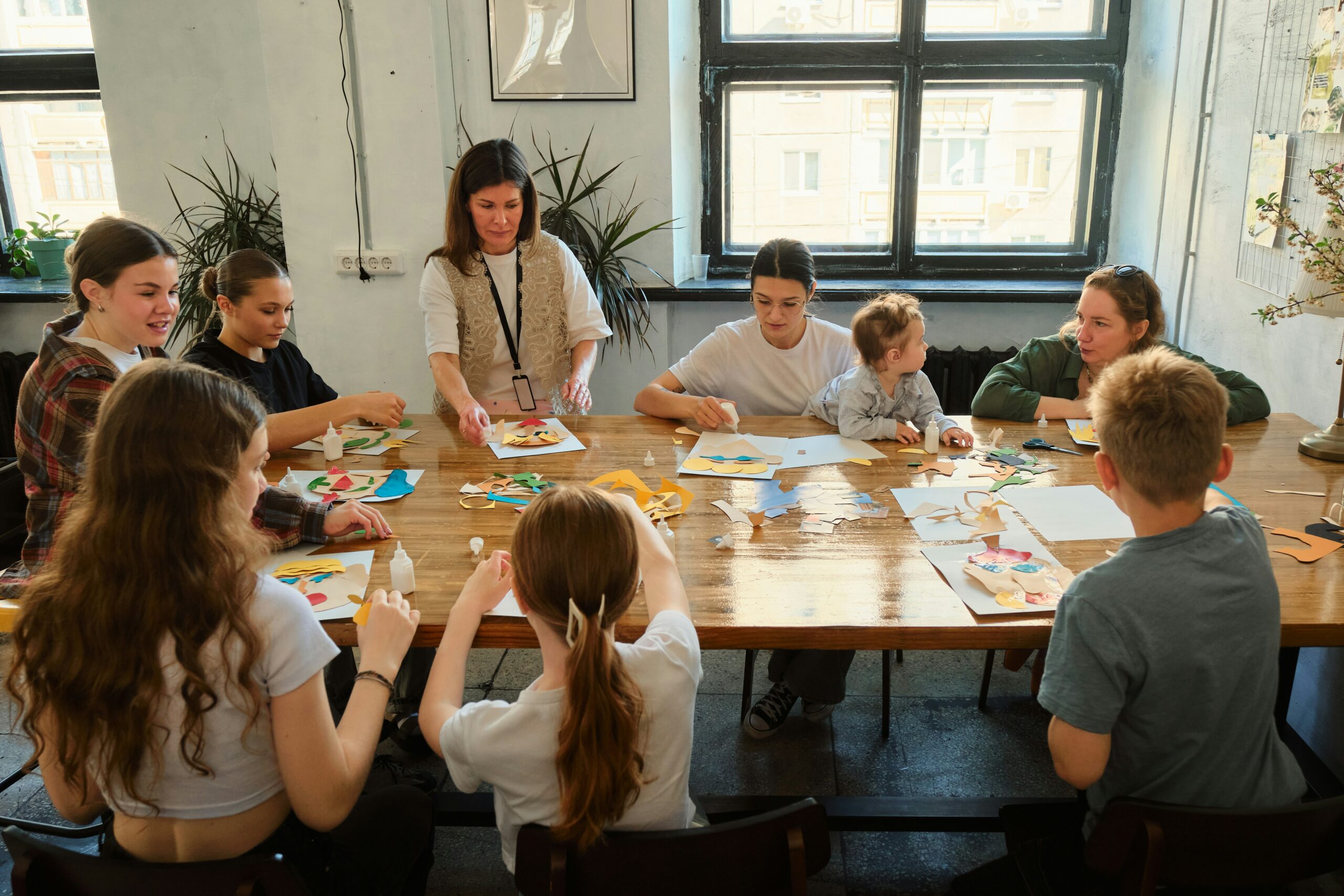
Schools grow stronger when they connect with the people around them. Students need more than classroom lessons to thrive. They also need encouragement from families, support from local organizations, and meaningful relationships with the wider community. Therefore, engaging the community in school activities and events is important for student success, school culture, and long-term educational growth.
Community engagement in schools brings people together around a shared purpose. Parents, teachers, students, local businesses, volunteers, and civic leaders can all help create a positive learning environment. When schools welcome the community, they build trust. As a result, families feel valued, students feel supported, and school events become more meaningful.
Why Community Engagement Matters in Schools
Community engagement in schools helps students see that education matters beyond the classroom. When families and community members attend school events, students understand that many people care about their growth. This support can improve confidence, motivation, and attendance.
In addition, strong community involvement helps schools respond to real needs. Families may share concerns about transportation, safety, communication, or student support. Local organizations may offer resources that schools cannot provide on their own. Because of these connections, school leaders can make better decisions and create programs that serve students more effectively.
Creating a Welcoming School Culture
A welcoming school culture encourages participation. Schools should make families and community members feel comfortable from the moment they enter the building. Friendly communication, clear event details, respectful staff interactions, and inclusive planning all help build trust.
Moreover, schools should celebrate the diversity of their communities. Cultural nights, family storytelling events, student showcases, and multilingual communication can help families feel seen and respected. When people feel included, they become more willing to attend activities, volunteer, and support school goals.
Encouraging Parent Participation in School Events
Parent participation in school events strengthens the connection between home and school. Parents and guardians gain a better understanding of what students learn, how teachers support them, and where they may need extra help. Meanwhile, teachers learn more about students’ backgrounds, strengths, and challenges.
Schools can encourage participation by offering events at different times, sharing reminders through multiple channels, and creating activities that feel useful and enjoyable. For example, family reading nights, science fairs, career days, student performances, and classroom celebrations can bring families into the school experience. Furthermore, schools should ask parents for feedback so events match their needs and interests.
Building Partnerships with Local Organizations
Local organizations can play a powerful role in school activities and events. Libraries, nonprofits, colleges, health centers, arts groups, and youth programs can provide valuable support. These partners can offer guest speakers, workshops, mentorship, supplies, tutoring, and enrichment activities.
For instance, a local business can sponsor a career fair. A community health center can lead a wellness workshop. A library can support a family literacy night. Through these partnerships, schools expand learning opportunities and give students access to real-world experiences. In turn, community partners build stronger relationships with families and future leaders.
Making Students Active Leaders
Students should not only attend school events. They should help shape them. When students take leadership roles, they develop a sense of responsibility, communication skills, and a sense of pride in their school. They can help plan assemblies, welcome guests, lead tours, perform at events, create posters, or organize service projects.
Additionally, student leadership makes events more authentic. Students understand what interests their peers, and they can offer fresh ideas. When schools listen to students, activities become more engaging and relevant. Consequently, students feel a deeper connection to their school community.
Using Communication to Increase Involvement
Clear communication drives successful community engagement. Families and community members need to know what is happening, why it matters, and how they can participate. Schools should use newsletters, phone calls, text messages, social media, websites, and printed flyers to reach different audiences.
However, communication should go beyond announcements. Schools should invite questions, listen to concerns, and respond with respect. Two-way communication builds stronger school-family partnerships it showing that the school values every voice. Therefore, schools should create regular opportunities for families and community members to share ideas.
Designing Events That Serve Real Needs
Successful school activities and events should connect to real goals. Some events may focus on academic support, while others may build relationships, celebrate student talent, or address community concerns. Schools should plan with purpose so every event offers value.
For example, a math night can help families understand classroom strategies. A college and career fair can help students imagine future paths. A community service day can teach responsibility and teamwork. Likewise, a school safety forum can give families a chance to discuss important concerns. When events meet clear needs, people recognize their importance and are more likely to participate again.
Removing Barriers to Community Involvement
Many families want to engage with schools but face obstacles. Work schedules, transportation challenges, language barriers, childcare needs, and past negative experiences can limit participation. Schools must recognize these barriers and respond with practical solutions.
For example, schools can offer virtual attendance options, provide translation, schedule events at flexible times, or create child-friendly spaces during meetings. In addition, schools can hold some events in community locations such as libraries, parks, or local centers. These efforts show families that the school respects their realities and wants their involvement.
Celebrating Success Together
Celebration strengthens school communities. When schools recognize student progress, family support, volunteer efforts, and community partnerships, they create a culture of appreciation. Awards nights, talent shows, art displays, athletic events, and volunteer appreciation programs can bring people together in positive ways.
Furthermore, public celebration encourages continued involvement. People want to contribute when they know their efforts matter. By highlighting success, schools inspire more families and partners to join future activities and events.
Engaging the community in school activities and events helps create stronger schools and brighter opportunities for students. Through family involvement in education, local partnerships, student leadership, and clear communication, schools can build a culture of trust and shared responsibility. Moreover, community support for schools helps students feel valued both in and out of the classroom. When schools open their doors and invite people to participate, they create more than successful events. They build lasting connections that support learning, confidence, and student achievement.