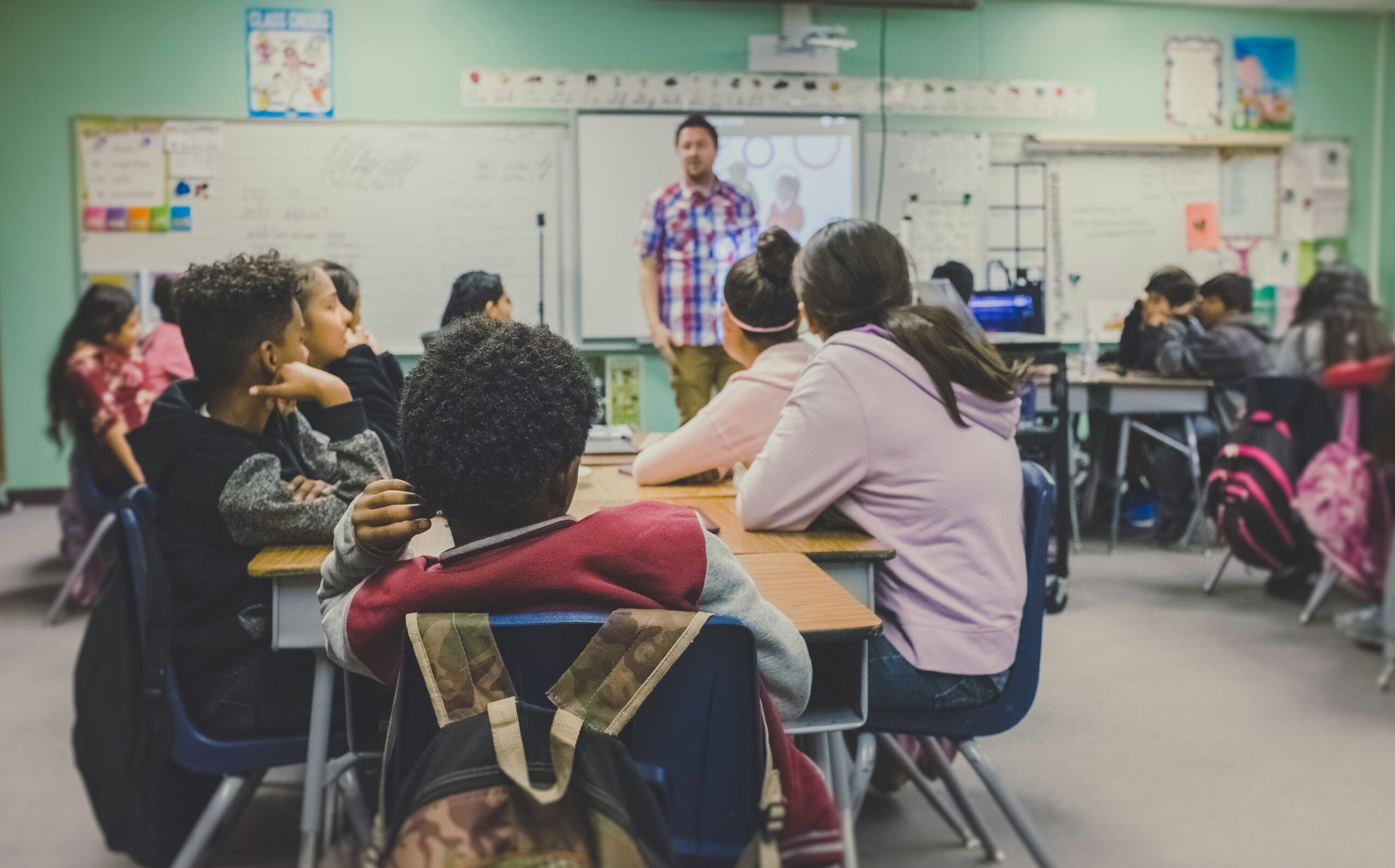
Education does not begin and end inside a classroom. Instead, students learn from every environment they experience, especially at home. Parents and guardians play an important role in shaping how children view learning, handle challenges, and build confidence. Moreover, their daily actions can influence academic habits, social development, and long-term goals. When adults show genuine interest in education, children often recognize learning as a valuable part of life rather than simply a school requirement. Therefore, strong family involvement can create a foundation that supports students throughout their educational journey.
Creating a Positive Learning Environment
Parents and guardians can make learning easier by creating a supportive environment at home. For example, they can provide a quiet place for homework, establish reasonable study routines, and reduce unnecessary distractions during learning time. Furthermore, adults can encourage children to organize their books, complete assignments, and prepare for upcoming tests. These simple practices help students develop responsibility and time-management skills. As a result, children can approach their schoolwork with greater focus and confidence.
However, a positive learning environment involves more than providing physical resources. Parents should also create an atmosphere where children feel comfortable asking questions and discussing academic difficulties. Additionally, adults can praise effort, persistence, and improvement instead of focusing only on grades. When students understand that mistakes can become learning opportunities, they become more willing to take academic risks. Consequently, supportive communication can strengthen both motivation and emotional resilience.
Encouraging Consistent Study Habits
Parents and guardians can help children build effective study habits by establishing consistent routines. For instance, setting regular homework and reading times can help students understand when they should concentrate on academic tasks. Likewise, adults can encourage children to divide large assignments into smaller steps. This approach makes difficult work feel more manageable and reduces procrastination. Over time, consistent routines can help students become more independent learners who understand how to manage their responsibilities.
Furthermore, adults can teach children how to balance education with rest, recreation, and family activities. Although academic effort matters, students also need adequate sleep and opportunities to relax. Therefore, parents should avoid creating schedules that place excessive pressure on children. Instead, they can help students prioritize important tasks while maintaining a healthy routine. As students practice these habits, they gradually develop self-discipline and learn how to manage their time effectively.
Building Strong Communication With Teachers
Parents and guardians can strengthen education by maintaining open communication with teachers. Regular communication allows families to understand a student’s academic progress, classroom behavior, and areas that need additional attention. Moreover, teachers can provide useful suggestions that parents may apply at home. When both sides exchange information respectfully, they can identify challenges before those problems become serious. Thus, family-school communication creates a stronger support system for students.
At the same time, parents should avoid treating teachers as opponents when academic difficulties arise. Instead, they should work collaboratively with educators to find practical solutions. For example, if a student struggles with reading or mathematics, parents can ask the teacher about appropriate practice strategies. Similarly, teachers can learn about circumstances at home that might affect a student’s performance. Ultimately, cooperation allows adults to focus on the student’s needs rather than assigning blame.
Developing Motivation and Confidence
Parents and guardians strongly influence a child’s attitude toward achievement. Therefore, they should recognize progress and encourage children to keep working when challenges appear. Instead of saying that a child lacks ability, adults can emphasize practice, patience, and improvement. For example, telling a student, “You are improving because you keep practicing,” can reinforce a productive attitude. Consequently, children can learn to view challenges as opportunities to grow rather than reasons to give up.
Moreover, parents can help children set realistic academic goals. Rather than demanding perfect grades, they can encourage students to improve specific skills or complete achievable milestones. This strategy allows children to experience success while continuing to develop. Additionally, adults can celebrate meaningful accomplishments without comparing children with siblings, classmates, or friends. As a result, students can build confidence based on personal growth instead of external competition.
Supporting Emotional and Social Development
Academic success depends partly on emotional well-being. Therefore, parents and guardians should pay attention to children’s feelings, friendships, and social experiences. A student who feels anxious, isolated, or overwhelmed may struggle to concentrate on schoolwork. Consequently, adults should encourage honest conversations and listen without immediately criticizing or dismissing concerns. By providing emotional support, parents can help children develop healthier ways to handle pressure and disappointment.
Furthermore, families can teach important social skills that support classroom success. For example, parents can encourage children to communicate respectfully, cooperate with others, resolve disagreements, and accept different perspectives. These skills can improve relationships with classmates and teachers. In addition, family activities can provide opportunities for children to practice responsibility and teamwork. Thus, education becomes broader than academic achievement because students also learn how to function successfully within their communities.
Partnering for a Stronger Educational Future
Parents and guardians do not need to become professional teachers to make a meaningful difference in education. Instead, they need to remain involved, supportive, patient, and consistent. By creating positive routines, communicating with teachers, encouraging confidence, and supporting emotional development, they can help children become stronger learners. Furthermore, their involvement can help students understand that education deserves effort and commitment. When families actively support learning, they give children valuable tools that can benefit them far beyond the classroom.
Ultimately, successful education requires cooperation among students, families, teachers, and communities. Therefore, parents and guardians should view themselves as important partners in the educational process. They can encourage children when they struggle, celebrate progress when they succeed, and guide them toward responsible choices. Although every family has different circumstances, consistent support can make a lasting difference. By staying engaged and focusing on growth rather than perfection, parents and guardians can help students develop the knowledge, confidence, and character they need for a successful future.