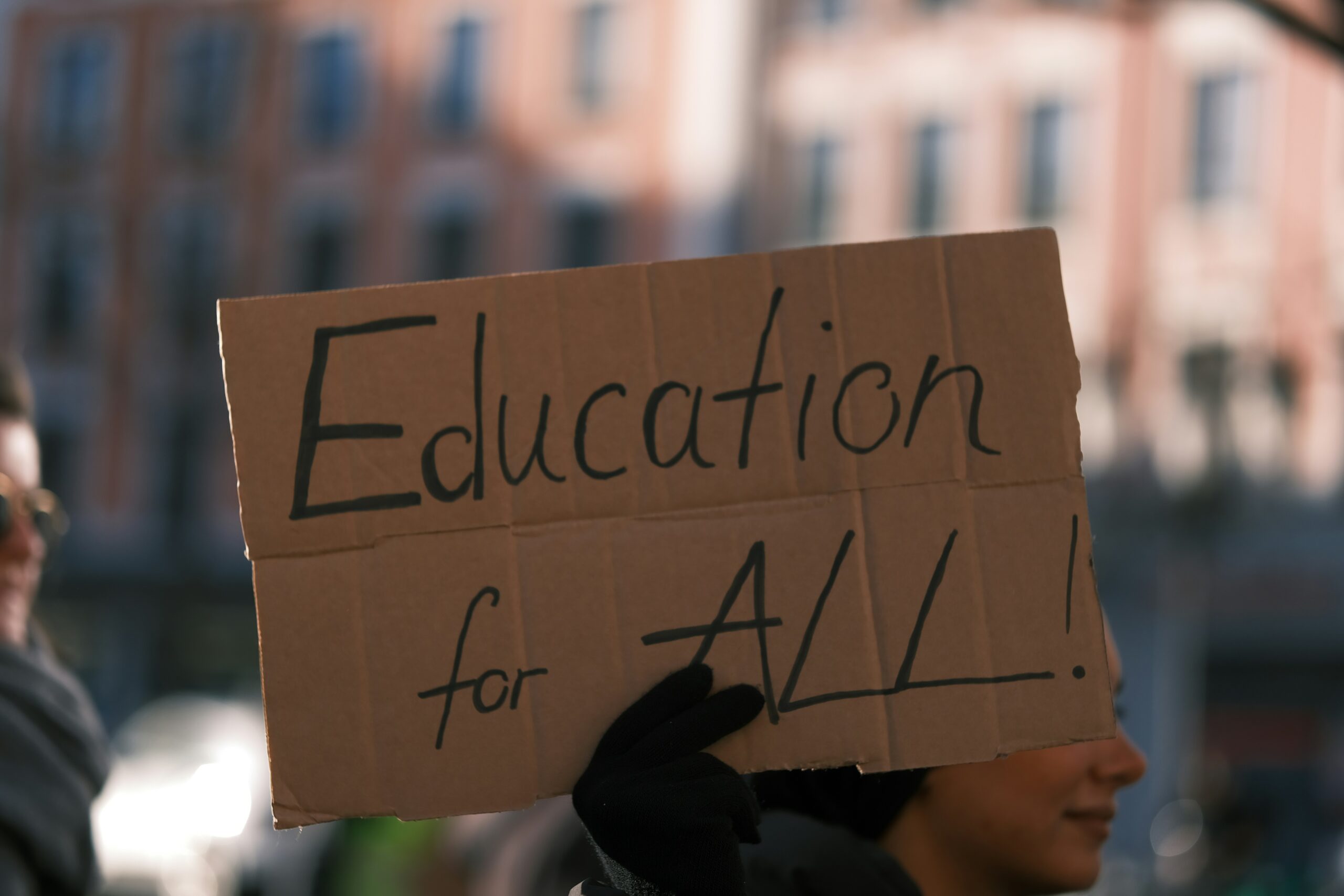
Education has the power to transform lives, but many students still face challenges that limit their opportunities. Across communities, dedicated advocates, teachers, parents, and organizations work to remove barriers and create better learning environments. Their efforts show how educational advocacy can improve access, support student needs, and inspire long-term change. From improving school resources to creating inclusive programs, these success stories highlight the impact of people who believe every learner deserves a fair chance.
How Advocacy Creates Better Learning Opportunities
Educational advocacy focuses on identifying problems within education systems and finding solutions that support students. Advocates often work with schools, communities, and policymakers to address issues such as unequal resources, limited access, and learning challenges. As a result, many students receive the support they need to succeed.
For example, some communities have created programs that provide extra tutoring, mentoring, and technology access for students who need additional help. These efforts show that small changes can create meaningful results. Furthermore, successful advocacy encourages more people to become involved in improving education for future generations.
A Community That Improved Student Access
One powerful example of educational advocacy comes from communities that worked together to improve learning resources. In many areas, parents and local leaders noticed that students lacked access to updated materials and academic support. Therefore, they created partnerships with schools and community groups to provide better opportunities.
Over time, these partnerships helped students improve their academic performance and confidence. In addition, community involvement created stronger connections between families and schools. This success shows that when people unite around a shared goal, they can create lasting improvements in education.
Teachers Leading Change Inside Classrooms
Teachers often play a major role in educational advocacy because they understand student needs firsthand. Many educators go beyond traditional teaching by supporting programs that promote inclusion, creativity, and student success. They recognize challenges early and search for ways to help every learner grow.
For instance, some teachers have introduced personalized learning strategies that allow students to learn at their own pace. As a result, students who once struggled can develop stronger skills and greater confidence. Moreover, these teachers inspire others to support student achievement initiatives that improve classroom experiences.
Supporting Students Through Inclusive Education
Inclusive education has become an important area of advocacy because every student deserves the opportunity to learn in a supportive environment. Advocates work to ensure that schools recognize different learning styles, abilities, and backgrounds. Therefore, many schools have developed programs that provide better support for diverse learners.
These efforts have created success stories where students who once felt excluded now participate more actively in school activities. Additionally, inclusive programs help classmates understand the importance of respect and cooperation. Through these changes, schools become welcoming spaces where all students can reach their potential.
Parents Making a Difference Through Advocacy
Parents often become powerful voices for educational improvement because they understand their children’s needs. Many parents join school committees, attend community meetings, and work with educators to address concerns. Their involvement can influence decisions that directly affect student experiences.
For example, parent advocacy groups have helped schools improve communication, create safer environments, and expand learning opportunities. As a result, families become stronger partners in education. Furthermore, active parents encourage other families to participate and support positive changes within their communities.
Organizations Creating Long Term Educational Impact
Many nonprofit organizations and community groups dedicate their work to improving education. They provide scholarships, mentoring programs, teacher support, and resources for students who face financial or academic barriers. Through consistent effort, these organizations create meaningful results.
For example, a scholarship program can help students continue their education when financial challenges might otherwise stop them. Similarly, mentoring programs can provide guidance and encouragement during important stages of a student’s life. Therefore, these organizations prove that focused support can change individual futures and strengthen communities.
Student Voices Driving Educational Change
Students themselves have become important advocates for better education. Young people often understand school challenges because they experience them every day. By sharing their ideas and concerns, students can influence decisions and encourage improvements.
Many student-led movements have helped schools focus on issues such as mental health support, learning resources, and equal opportunities. As a result, students gain confidence while also creating positive change. Additionally, their involvement teaches valuable skills such as communication, teamwork, and problem solving.
The Role of Policy in Education Improvement
While local efforts create important changes, policies also influence educational success. Advocates often work with decision makers to develop rules and programs that support students on a larger scale. These efforts can improve funding, access, and educational standards.
For instance, policy changes can help schools provide better resources for teachers and students. Furthermore, strong education policies can support long-term improvements across entire regions. When advocates combine community action with policy efforts, they create a stronger foundation for educational progress.
Lessons From Successful Advocacy Efforts
The success stories of educational advocacy share several common lessons. First, meaningful change requires teamwork between students, families, educators, and communities. Second, successful programs focus on real student needs instead of temporary solutions. Finally, lasting improvements often come from patience, dedication, and continued effort.
These examples remind us that anyone can contribute to educational progress. A teacher offering extra support, a parent sharing concerns, or a student speaking up can all create positive effects. Therefore, educational advocacy is not only about large organizations or major reforms. It is also about everyday actions that help students succeed.
Building a Better Future Through Education Advocacy
Educational advocacy continues to shape better learning environments around the world. The success stories of communities, teachers, parents, organizations, and students show that positive change is possible when people work together. Although challenges remain, these examples provide hope and motivation for continued improvement.
Ultimately, education becomes stronger when everyone has a role in supporting students. By encouraging equal education opportunities and investing in meaningful solutions, communities can help more learners achieve their goals. These success stories prove that advocacy can open doors, inspire growth, and create a brighter future for generations to come.