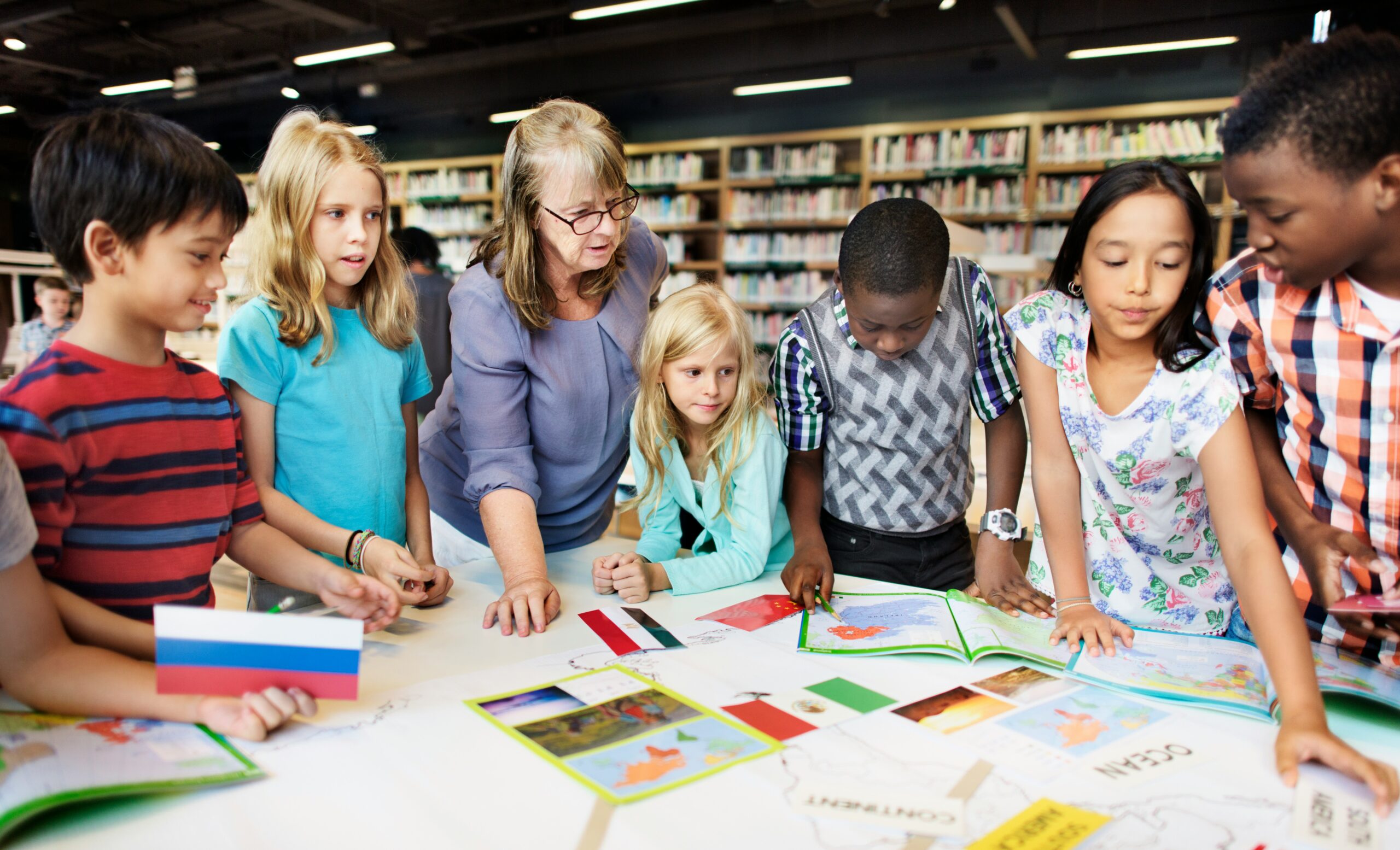
Community partnerships play a central role in improving educational outcomes, and they help schools extend learning beyond the classroom. When schools collaborate with local organizations, families, and businesses, they create stronger support systems for students. Moreover, these partnerships encourage shared responsibility for student success, which leads to more stable and effective learning environments.
At the same time, community involvement strengthens trust between schools and the people they serve. When parents and community members actively engage with educators, they gain a clearer understanding of school goals and challenges. As a result, communication improves, and schools can respond more effectively to student needs while building long-term relationships that support academic growth.
How Schools Benefit From Strong Community Engagement
Schools benefit significantly when they form strong connections with their surrounding communities. For instance, partnerships can provide additional learning resources, mentorship opportunities, and real-world experiences that enhance student learning. Moreover, these benefits help bridge the gap between classroom instruction and practical application.
In addition, community engagement supports school improvement efforts by bringing in diverse perspectives. When educators collaborate with local stakeholders, they gain valuable insights into student needs and social challenges. Consequently, schools can design more relevant programs that reflect the realities students face outside the classroom.
The Role of Families in Educational Partnerships
Families serve as essential partners in education, and their involvement directly influences student performance. When parents stay engaged in their children’s academic lives, students often show higher motivation and better attendance. Furthermore, strong family engagement helps create consistency between home and school expectations.
At the same time, schools must actively encourage family participation to build meaningful partnerships. When educators communicate regularly and respectfully with families, they create an environment of trust and cooperation. As a result, students feel supported from multiple sides, which strengthens their academic confidence and emotional stability.
Building Trust Between Schools and Communities
Trust forms the foundation of successful community partnerships, and schools must work intentionally to develop it. When schools communicate openly about goals, challenges, and progress, they build credibility within the community. Moreover, transparency helps reduce misunderstandings and strengthens collaboration.
In addition, trust grows when schools follow through on commitments and show respect for community input. When stakeholders see that their voices matter, they become more willing to participate in school initiatives. Consequently, this mutual trust creates a positive cycle of engagement that benefits students over time.
Local Organizations and Their Impact on Education
Local organizations contribute significantly to educational success by offering resources and support that schools may not have on their own. For example, nonprofits, libraries, and cultural institutions often provide programs that enrich student learning. Moreover, these organizations help expose students to new skills and experiences.
At the same time, businesses and local agencies can support schools through mentorship programs and internships. When students interact with professionals, they gain valuable insight into future career paths. As a result, these experiences help students connect their education to real-world opportunities and long-term goals.
Communication Strategies That Strengthen Partnerships
Effective communication ensures that community partnerships remain strong and productive. When schools share updates regularly, they keep families and stakeholders informed about important developments. Moreover, clear communication reduces confusion and builds a shared understanding of educational priorities.
In addition, schools must use accessible communication methods to reach diverse audiences. When educators adapt their messages to different platforms and language levels, they improve engagement across the community. Consequently, consistent and inclusive communication strengthens relationships and encourages ongoing participation.
Overcoming Challenges in Community Collaboration
Despite its benefits, building community partnerships can present challenges for schools. Limited time, resources, and differing priorities often create barriers to collaboration. Moreover, misunderstandings between stakeholders can slow down progress and reduce engagement.
However, schools can overcome these challenges by focusing on shared goals and maintaining open dialogue. When educators and community members work through differences respectfully, they build stronger connections. As a result, challenges often turn into opportunities for growth and improved cooperation.
The Long-Term Value of Educational Partnerships
Community partnerships create long-term value by supporting student success beyond immediate academic outcomes. When students benefit from consistent community involvement, they develop stronger social skills and greater confidence. Moreover, these experiences help prepare them for future educational and career opportunities.
At the same time, strong partnerships contribute to the overall health of the community. When schools and local organizations work together, they create environments that support lifelong learning. Consequently, these relationships strengthen both educational systems and the communities they serve.
Fostering community partnerships for educational success requires consistent effort, clear communication, and mutual respect. When schools, families, and local organizations collaborate effectively, they create stronger support systems for students. Moreover, these partnerships improve both academic performance and personal development.
Ultimately, community engagement transforms education into a shared mission. As schools continue to build meaningful relationships with their communities, they create lasting benefits that extend far beyond the classroom.